

Posted on: 12th December 2025
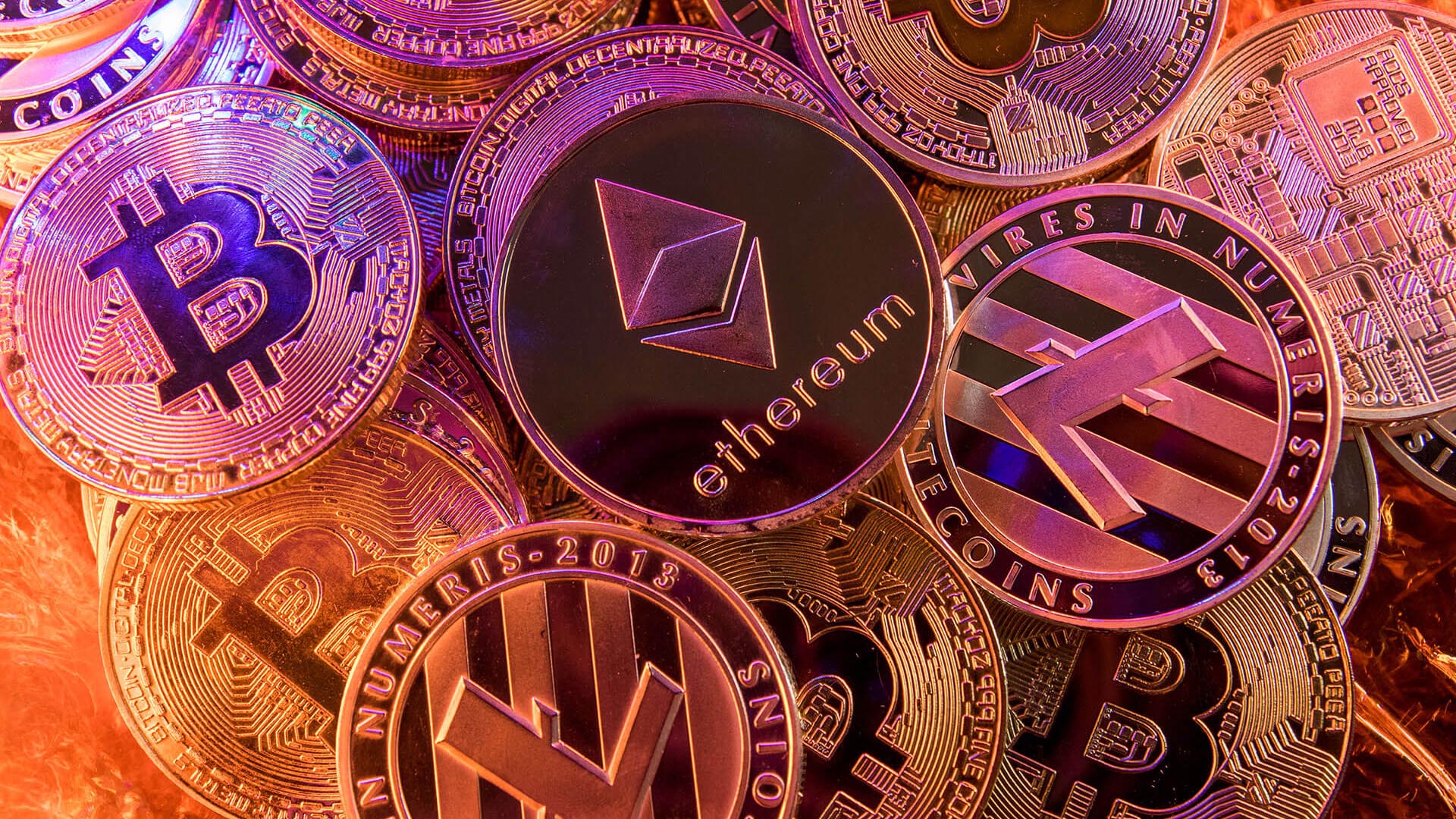
Bitcoin, Ethereum and the Altcoin Universe
For much of the public, “crypto” still sounds like a single, amorphous concept — a volatile corner of finance driven by speculation, headlines, and the occasional overnight millionaire. In reality, the digital-asset market is anything but uniform. It is a layered ecosystem with a clear hierarchy, led by Bitcoin, shaped by Ethereum, and surrounded by a sprawling universe of alternative tokens — most of which will never endure. Understanding that hierarchy is the difference between informed participation and blind speculation.
Bitcoin: The Centre of Gravity
Every conversation about crypto eventually leads back to Bitcoin. It is not merely the first cryptocurrency, but the asset around which the entire market orbits. Prices across the ecosystem are measured against it, and liquidity flows from it. When Bitcoin strengthens, capital moves outward into Ethereum and then into smaller alternative coins. When Bitcoin weakens, the process reverses sharply. Altcoins fall harder and faster. This is not coincidence — it is structure.
Ethereum: The Engine Room
If Bitcoin is the anchor, Ethereum is the engine. Ethereum expanded the use of blockchain beyond value storage into programmable finance, enabling smart contracts and decentralised applications. With flexibility comes complexity. Ethereum behaves less like digital gold and more like financial software — powerful, adaptable, but exposed to governance, technical, and regulatory risk.
“Bitcoin is monetary infrastructure. Ethereum is financial software.”
The Altcoin Universe: Experiments and Narratives
Beyond Bitcoin and Ethereum lies the vast world of altcoins. Some are genuine attempts at improving blockchain infrastructure, such as Bitcoin Hyper, Plasma, or LiquidChain. Their success depends less on innovation and more on adoption — a notoriously unpredictable outcome. Other platforms, including Solana, BNB, and Canton, aim to host financial activity and applications. These chains often trade decentralisation for speed or convenience, introducing governance and regulatory vulnerabilities.
Trading and derivatives platforms such as Aster and ApeX Protocol add leverage and complexity, amplifying gains but accelerating losses when markets turn. Narrative-driven tokens linked to artificial intelligence or content creation, such as SUBBD, often rely more on sentiment than sustainable economics. Finally, meme tokens like Maxi Doge and PEPENODE are driven almost entirely by online momentum. They should be understood as speculation rather than investment, with a high probability of capital loss.
Why Altcoins Follow Bitcoin
Altcoins do not exist independently. Bitcoin sets the rhythm of the market, anchors liquidity, and underpins confidence. When liquidity retreats, most altcoins struggle to survive. History shows that the majority of altcoins do not collapse spectacularly. They simply fade — development slows, interest wanes, and relevance disappears.
A Sensible Lens for Investors
From a responsible wealth-management perspective, Bitcoin represents monetary experimentation, Ethereum represents infrastructure risk, and altcoins represent venture-style speculation. These risks are not interchangeable. For many investors, particularly those with complex international lives, the most sensible crypto allocation may be none at all.
Clarity Over Hype
Digital assets will continue to evolve. Some will mature. Most will not. Bitcoin remains the anchor, Ethereum the engine, and altcoins the experiments. Recognising this structure does not guarantee success — but ignoring it almost guarantees disappointment.
About Holborn Assets
Holborn Assets is a leading international wealth-management firm operating across 18 regulated jurisdictions, advising internationally mobile clients with a focus on long-term stewardship, disciplined risk management, and global coordination.
Need professional financial advice?
We have 18 offices across the globe and we manage over $2billion for our 20,000+ clients
Latest Posts
- Managing a Riyal Salary When Your Costs Are in Another Currency
- Sending Money Home: How to Beat Poor Exchange Rates and Hidden Transfer Fees
- Planning for International School and University Fees in Saudi Arabia
- 6 Investment Strategies to Maximise Growth and Manage Risk
- Investing in the Saudi Stock Market: What You Need to Know